

Professor Li-Jun Ma studies mechanisms that guide eukaryotic genome evolution and genetic determinants of fungal pathogenicity using the model system Fusarium oxysporum.
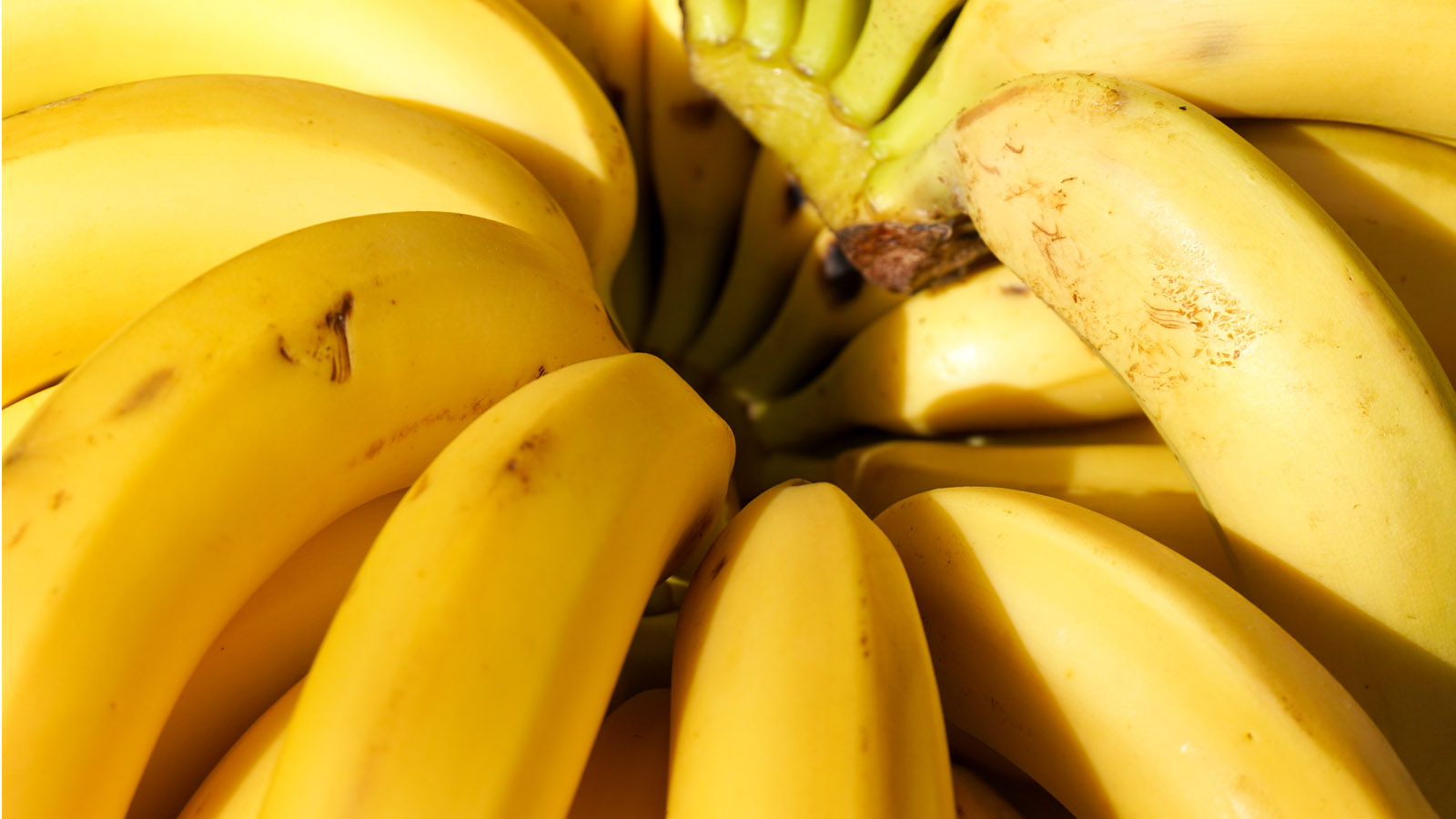
Together with members of her group, Ma has uncovered a key genetic mechanism behind Fusarium wilt of banana (FWB), a fungal disease threatening the global Cavendish banana supply. Their research, published in Nature Microbiology, reveals that the virulence of the tropical race 4 (TR4) strain is linked to accessory genes involved in nitric oxide production—genes absent in earlier strains that wiped out the Gros Michel banana in the 1950s.
This discovery opens new paths for disease mitigation and crop resilience. The study relied heavily on high-performance computing resources at the MGHPCC to analyze complex fungal genomes, trace evolutionary pathways, and model gene function. These computational tools enabled the team to process vast genomic datasets and simulate molecular interactions critical to understanding TR4’s spread.