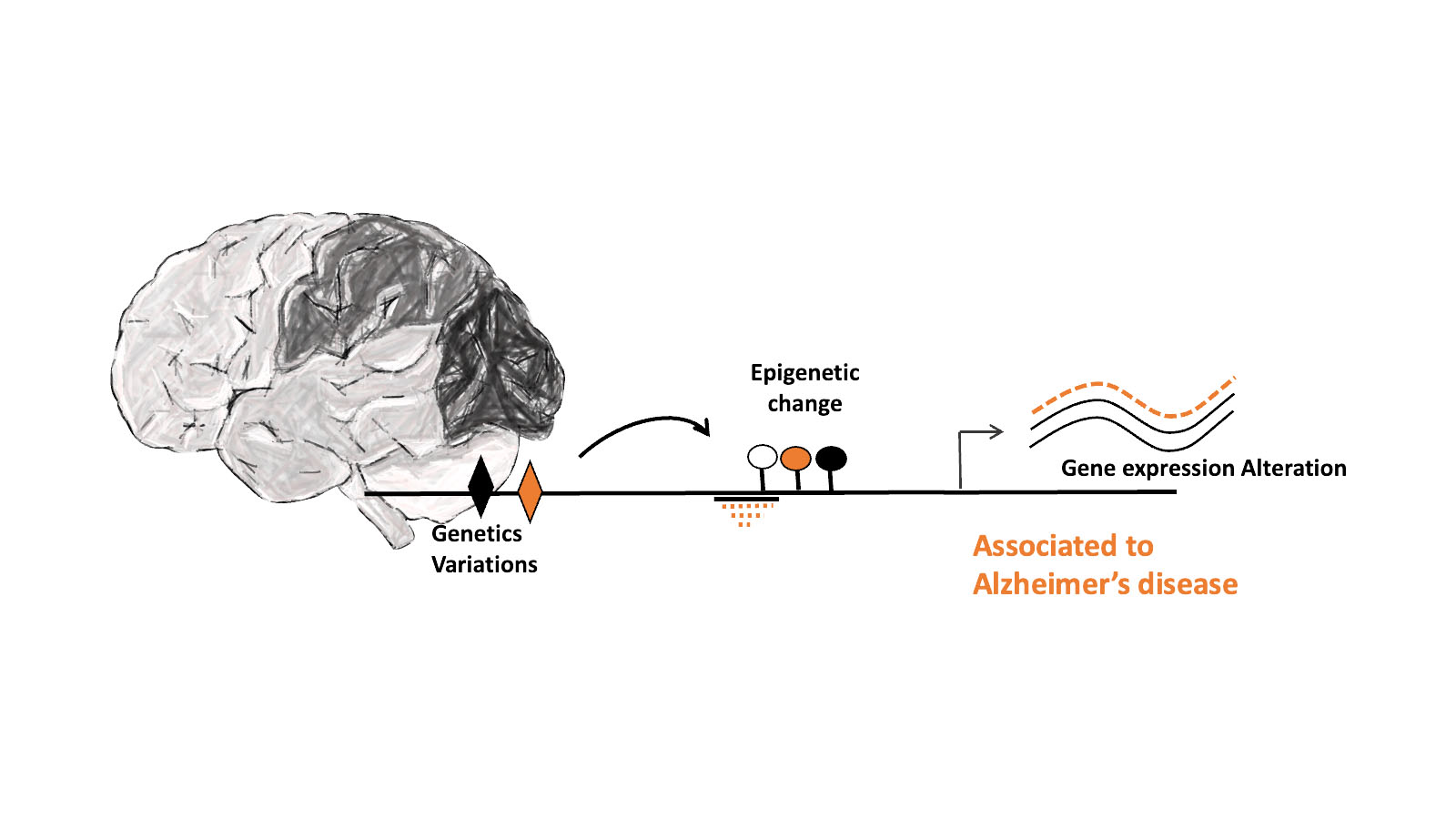
Julia TCW’s lab focuses on developing Alzheimer’s disease (AD) therapeutics using human induced pluripotent stem cells (iPSCs) and genetic methods. The work has three main goals: identifying genes in brain cells affected by AD, studying AD genetic mechanisms using iPSCs, iPSC/mouse chimera, and mouse models, and creating human brain models for drug screens.
In collaboration with the Functional Genomics Consortium (xQTL study) in the Alzheimer's Disease Sequencing Project, the lab analyzes large-scale genetic, epigenetic, and multi-omics data to uncover variants linked to methylation, histone modification, and multi-omics changes in the brain. They focus on understanding how AD genetic risks, especially APOE4, impact brain cells by using advanced computational, Artificial Intelligence, and experimental techniques. The TCW lab develops novel tools to integrate genetics, transcriptomics, proteomics, and other omics data to explore AD molecular pathways. They also collaborate with industry to find new drug targets, advancing both 2D and 3D brain cell models for drug discovery.